Om te evalueren wat het meest milieuvriendelijke rietje is, moet het gebruik van landbouwhulpbronnen, de extractiemethoden van grondstoffen, de productie-emissies, de operationele duurzaamheid en de uiteindelijke aantasting van het milieu aan het einde van de levensduur worden onderzocht. De afgelopen jaren heeft het publieke bewustzijn over plastic afval voor eenmalig gebruik geleid tot enorme innovatie in de alternatieve materiaalkunde. Zowel consumenten als verpakkingsingenieurs kijken verder dan conventioneel uit aardolie verkregen polypropyleen om hernieuwbare alternatieven te identificeren. De zoektocht naar duurzame drinkinstrumenten heeft geleid tot een bredere verkenning van het gebruik van landbouwresiduen, waarbij bijproducten van gewassen zoals tarwestengel, suikerrietbagasse en rijststro worden omgezet in functionele producten.
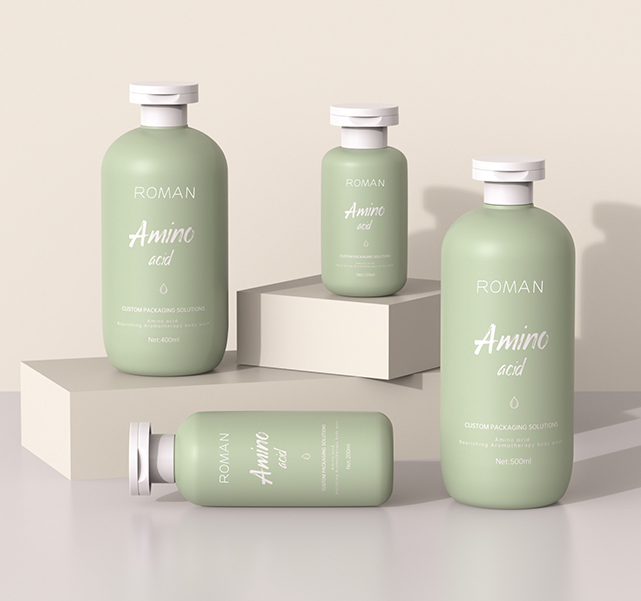
Interessant is dat de materiaaltechnologieën die zijn ontwikkeld voor natuurlijke rietjes directe chemische en structurele principes delen met duurzame verpakkingsformaten. Afval van landbouwgewassen dat anders zou worden verbrand of in de velden zou worden afgebroken, kan worden verwerkt tot composieten van natuurlijke vezels. Deze biocomposietmaterialen worden nu op grote schaal gebruikt om structurele artikelen te produceren, variërend van dagelijks eetgerei tot duurzame consumentencontainers zoals cosmetische fles van stro voor formuleringen voor persoonlijke verzorging. Om te begrijpen welk stromateriaal de laagste ecologische voetafdruk oplevert, moeten zowel directe natuurlijke plantenstelen als verwerkte biopolymeerformuleringen gedurende hun volledige levenscyclus worden geanalyseerd.
De zoektocht naar het meest duurzame stro-alternatief
Het bepalen van de milieuclassificatie van rietjes omvat meer dan alleen beoordelen of een product als natuurlijk of biologisch afbreekbaar wordt geëtiketteerd. Bij een rigoureuze milieubeoordeling moet het totale waterverbruik tijdens de landbouw, het gebruik van chemicaliën, het energieverbruik tijdens de verwerking, de transportlogistiek en de specifieke omstandigheden die nodig zijn om het materiaal veilig af te breken, worden meegewogen.
Natuurlijke plantenstengels die minimale industriële verwerking vereisen, hebben over het algemeen de laagste koolstof- en ecologische voetafdruk. Wanneer agrarische bijproducten rechtstreeks worden hergebruikt in functionele producten, wordt de hulpbronnenlast van de teelt van gewassen al gecompenseerd door de primaire voedselproductie. Bijgevolg vertegenwoordigt het gebruik van gewasresten zoals tarwestro een zeer circulaire benadering van het beheer van hulpbronnen, waarbij landbouwafvalstromen worden omgezet in waardevolle consumptiegoederen zonder dat speciale landtoewijzing of extra irrigatiemiddelen nodig zijn.
Inzicht in agrarische biomassa en op stro gebaseerde materialen
Agrarische biomassa bestaat uit de structurele organische residuen die achterblijven na de oogst van granen, graangewassen en landbouwplanten. Historisch beschouwd als landbouwafval met een lage waarde, bevatten gewasstengels hoge concentraties natuurlijke cellulose, hemicellulose en lignine, die intrinsieke mechanische sterkte en thermische stabiliteit bieden.
Upcycling van ruw gewasafval tot functionele vezels
Het proces van het omzetten van ruw landbouwafval in bruikbaar functioneel materiaal begint onmiddellijk na de graanoogst. Boeren verzamelen gedroogde stengels van tarwe, rogge, gerst of rijst van landbouwvelden. In plaats van deze stengels te verbranden, waarbij koolstofdioxide en fijne deeltjes in de atmosfeer vrijkomen, reinigen, steriliseren en verwerken verwerkers de natuurlijke stengels mechanisch.
Voor directe strotoepassingen worden natuurlijke holle stengels op standaardlengtes gesneden, gewassen met stoom op hoge temperatuur en onder hygiënische omstandigheden gedroogd. Het resulterende product behoudt de natuurlijke buisvormige structuur van de plantenstengel, waardoor een natuurlijk functionele leiding voor vloeistoffen ontstaat zonder dat synthetische additieven of chemische bindmiddelen nodig zijn. Wanneer ze verder worden verfijnd tot fijne plantenpoeders, dienen deze cellulosevezels als versterkende vulstoffen voor structurele biocomposieten die worden gebruikt bij het vormen van vaste vaten zoals een milieuvriendelijke cosmetische fles van stro.
Samengestelde polymeermengsels en bioharsformuleringen
Terwijl rauwe plantenstengels effectief functioneren als drinkgerei voor eenmalig gebruik, vereist het creëren van duurzame, vochtbestendige gegoten voorwerpen het mengen van natuurlijke strovezels met bindende polymeren. Bij de productie van composiethars wordt fijn verpulverd tarwestropoeder gecombineerd met biopolymeren zoals polymelkzuur of recyclebare polyolefinen.
Deze fusie levert een biocomposiethars op die de afhankelijkheid van nieuwe aardoliematerialen aanzienlijk vermindert. De ingebedde plantenvezels geven het eindproduct een kenmerkende gespikkelde textuur en een natuurlijke esthetiek. Bij gebruik bij de productie van containers bereikt een cosmetische flescontainer van biocomposiet een hoge mechanische duurzaamheid, slagvastheid en structurele stijfheid, terwijl tot vijftig procent minder fossiele brandstofhars wordt gebruikt in vergelijking met conventionele plastic verpakkingen.
Uitgebreide levenscyclusanalyse van strocategorieën
Om te bepalen welke strovariant vanuit ecologisch oogpunt het beste presteert, is het nuttig om te kijken naar de primaire materiaalklassen die momenteel op de markt verkrijgbaar zijn. Elke materiaalcategorie vertoont unieke voordelen, verwerkingsvereisten en kenmerken aan het einde van de levensduur.
Tarwestro en natuurlijke graanstelen
Natuurlijke tarwestrostelen behoren tot de meest ecologisch verantwoorde opties voor eenmalig gebruik die momenteel beschikbaar zijn. Omdat deze rietjes afkomstig zijn van het bijproduct van de tarweoogst, zijn er geen extra land, water of landbouwinputs nodig voor de productie ervan. De energie die nodig is voor het verwerken van tarwestengels is beperkt tot oogsten, mechanisch snijden, stoomreinigen en verpakken.
Bij vloeibare toepassingen blijven natuurlijke tarwerietjes stijf zonder de papierachtige smaak in dranken te verzachten of uit te lekken. Ze zijn volledig composteerbaar in de huistuin en worden binnen enkele weken op natuurlijke wijze afgebroken tot organisch bodemmateriaal. Bovendien bevat tarwestro geen synthetische chemische coatings, gefluoreerde chemicaliën of petroleumharsen, waardoor wordt gegarandeerd dat er bij verwijdering geen chemische resten in de bodem of in aquatische ecosystemen terechtkomen.
Opties voor papier en geregenereerde cellulose
Papieren rietjes kwamen naar voren als een van de eerste wijdverbreide alternatieven voor conventionele plastic rietjes. Papieren rietjes zijn vervaardigd uit houtpulp of geregenereerde cellulosevezels en ondergaan chemisch verpulveren, bleken en meerlaags spiraalwalsen met behulp van vloeibare lijmen.
Hoewel papieren rietjes afkomstig zijn uit hernieuwbare bosbronnen, is hun productieproces energie-intensief en waterveeleisend. Om te voorkomen dat papier snel uiteenvalt bij contact met vloeistoffen, passen fabrikanten vaak gespecialiseerde vochtwerende coatings of synthetische lijmen toe. Als tijdens de productie niet-composteerbare lijmen of synthetische waslagen worden aangebracht, kan het resulterende rietje mogelijk niet efficiënt worden afgebroken in thuiscomposteringssystemen. Bovendien hebben papieren rietjes de neiging snel zacht te worden tijdens langdurige onderdompeling in vloeistoffen, wat de tevredenheid van de consument beïnvloedt.
Plantaardige biopolymeren en polyhydroxyalkanoaten
Plantaardige biopolymeren vertegenwoordigen een technologische benadering om de flexibele prestaties van conventioneel plastic te repliceren zonder gebruik te maken van fossiele brandstoffen. Polymelkzuur, afgeleid van gefermenteerd plantaardig zetmeel zoals maïs of cassave, kan worden geëxtrudeerd tot flexibele, heldere rietjes die nauw aansluiten bij traditionele polypropyleenrietjes.
Polyhydroxyalkanoaten, vaak aangeduid als PHA-biopolymeren, worden geproduceerd door bacteriële fermentatie van organische plantaardige oliën of suikers. PHA-biopolymeerrietjes bieden een voordeel omdat ze afbreekbaar zijn in de zee en afbreken in natuurlijke bodemomgevingen zonder dat daarvoor een gespecialiseerde industriële composteringsinfrastructuur met hoge temperaturen nodig is. De synthese van biopolymeren vereist echter een aanzienlijke energie-input tijdens de fermentatie en extractie, waardoor de initiële koolstofvoetafdruk van de productie van ruwe hars toeneemt in vergelijking met ongeraffineerde landbouwstengels.
Herbruikbare alternatieven van bamboe, glas en metaal
Herbruikbare rietjes gemaakt van natuurlijk bamboe, borosilicaatglas of roestvrij staal van voedingskwaliteit bieden een ander milieuvoorstel. Bamboerietjes zijn gemaakt van natuurlijke bamboescheuten en bieden een hoge natuurlijke duurzaamheid, een gladde esthetische textuur en composteerbaarheid als ze eenmaal versleten zijn. Glazen en roestvrijstalen rietjes bieden een onbepaalde operationele levensduur als ze op de juiste manier worden gereinigd en onderhouden.
De belangrijkste omgevingsfactor voor herbruikbare opties ligt in de initiële productie-energie en gebruiksfrequentie. De extractie van roestvrij staal, de metaalraffinage en het smelten van glas bij hoge temperatuur vereisen een hoge calorische energie-input. Wil een herbruikbaar metalen of glazen rietje een lagere netto koolstofimpact bereiken dan een natuurlijk tarwerietje, dan moet het honderden keren worden hergebruikt, rekening houdend met het warme water en de zeep die worden verbruikt tijdens routinematig afwassen.
Vergelijkingsmatrix voor ecologische impact
Het evalueren van de relatieve duurzaamheid van stromaterialen vereist het analyseren van belangrijke ecologische maatstaven in de productie- en verwijderingsfasen.
| Materiaalclassificatie | Grondstofbron | Vraag naar productie-energie | Vochtstabiliteit | Home Composteerbaarheid | Mariene afbreekbaarheid |
|---|---|---|---|---|---|
| Natuurlijk tarwestro | Bijproduct van landbouwgranen | Minimale verwerkingsenergie | Hoge stabiliteit in vloeistoffen | Volledig thuis composteerbaar | Snelle natuurlijke afbraak |
| Verwerkt papierstro | Houtpulp bosbouw | Hoge vraag naar water en energie | Lage tot matige stabiliteit | Varieert op basis van lijm | Matige degradatie |
| Polymelkzuurhars | Gefermenteerd maïszetmeel | Hoge thermische verwerkingsenergie | Hoge stabiliteit in koude vloeistoffen | Industriële compostering vereist | Lage omgevingsdegradatie |
| Natuurlijke bamboestam | Hernieuwbare bamboeoogst | Lage tot matige verwerking | Hoge herbruikbare stabiliteit | Volledig thuis composteerbaar | Langzame natuurlijke afbraak |
| Roestvrij staal | Extrusie van gedolven erts | Extreem hoge productie-energie | Absoluut vochtbestendig | Niet-composteerbaar, recyclebaar | Niet afbreekbaar, persistent |
| Bio-composiet kunststof | Landbouwvezels en polymeer | Matige verwerkingsenergie | Uitzonderlijke structurele integriteit | Industrieel of stortstal | Minimale afgifte van microplastics |
De evolutie van containers van strovezelcomposiet
De milieuvriendelijke principes die landbouwrietjes aantrekkelijk maken voor drinktoepassingen hebben directe relevantie voor moderne commerciële verpakkingen. De schoonheids- en persoonlijke verzorgingsindustrie genereert jaarlijks miljarden stijve verpakkingseenheden, wat fabrikanten ertoe aanzet standaard synthetische polymeren te vervangen door biogebaseerde materialen afkomstig van gewasresten.
Gebruik van landbouwafval in starre containers
De integratie van landbouwstro in de productie van starre containers vertegenwoordigt een belangrijke mijlpaal in duurzame materiaaltechniek. Traditionele cosmetische verpakkingen zijn sterk afhankelijk van nieuwe polyolefinen zoals polyethyleen met hoge dichtheid, polypropyleen en polyethyleentereftalaat. Door verpulverd oogststro in harsformuleringen op te nemen, compenseren containerfabrikanten aanzienlijke hoeveelheden plastic uit fossiele brandstoffen.
Wanneer agrarische tarwestrovezels worden gemengd met thermoplastische materialen, creëren de natuurlijke cellulosevezels een versterkte interne matrix. Deze natuurlijke versterking verbetert de treksterkte en structurele stijfheid, waardoor fabrikanten lichtgewicht containers kunnen maken zonder de wandsterkte in gevaar te brengen. Deze aanpak transformeert laagwaardige landbouwresten in een waardevolle structurele grondstof voor producten zoals flessen voor persoonlijke verzorging, doppen en compacte doosjes.
Structurele eigenschappen van cosmetische flesontwerpen met rietje
Een moderne cosmetische fles met rietje biedt unieke structurele voordelen die milieubewuste merken en consumenten aanspreken. De ingebedde natuurlijke gewasvezels zorgen voor een onderscheidende visuele textuur, gekenmerkt door subtiele organische spikkels en een zacht, warm gevoel. Dit natuurlijke visuele profiel elimineert de noodzaak van overmatige kunstmatige kleurstoffen of chemische oppervlakteafwerkingen.
Beyond visual appeal, a wheat straw cosmetic bottle container provides mechanical resilience suitable for daily handling and travel environments. The outer container wall resists impact shock, preventing cracking when dropped on hard bathroom surfaces. Furthermore, the inclusion of natural cellulose fibers reduces overall resin density, resulting in a lightweight package that lowers total freight mass and shipping carbon emissions.
Performance Standards for Straw Fiber Cosmetic Packaging
Transitioning from traditional plastics to crop-fiber bio-composites requires ensuring that the packaging satisfies strict performance standards for product preservation, material safety, and formula compatibility.
Barrier Resistance and Formula Compatibility
Cosmetic and personal care formulations contain complex combinations of water, natural oils, active botanical extracts, essential oils, and emulsifiers. Packaging materials must provide an effective chemical barrier to prevent active ingredients from migrating into the bottle wall, while simultaneously preventing oxygen and moisture vapor from degrading the formulation inside.
An eco friendly straw cosmetic bottle packaging structure is engineered to maintain high chemical stability across diverse product types. The interior surface of the composite material maintains a non-reactive barrier, ensuring that active compounds such as Vitamin C, niacinamide, and botanical oils remain stable throughout their intended shelf life. Proper material formulation prevents the container walls from softening, swelling, or discoloring when in continuous contact with rich facial creams or fluid body lotions.
Structural Durability and Thermal Stability
Personal care containers experience varied thermal and mechanical conditions throughout their lifecycle, from warm shipping containers to humid bathroom environments. Straw-filled composite materials demonstrate high thermal dimensional stability, maintaining their shape and structural integrity when exposed to elevated ambient temperatures.
The presence of natural lignin and cellulose fibers within the polymer structure enhances heat deflection temperatures compared to unreinforced flexible polymers. As a result, a durable straw cosmetic bottle maintains a tight seal between the bottle neck threads and the cap assembly, preventing fluid leakage even when subjected to temperature shifts and mechanical pressure during transportation.
Functional Longevity Across Bio-Based Container Formats
Bio-composite straw materials are deployed across multiple personal care packaging formats, each designed to optimize product delivery and user convenience.
| Packaging Format | Primary Composite Materials | Application Compatibility | Operational Service Life | Primary Maintenance Requirement |
|---|---|---|---|---|
| Straw Fiber Lotion Flask | Wheat Straw and Polypropylene Blend | High-viscosity lotions, creams | Two to four years | Wipe exterior moisture after use |
| Bio-Composite Dropper Bottle | Crop Fiber Matrix and Glass Insert | Concentrated oils, facial serums | Three to five years | Store in dry vanity cabinet |
| Wheat Straw Pump Container | Bio-Composite Shell with PP Engine | Body cleansers, liquid soaps | Two to three years | Periodic clearing of pump nozzle |
| Bio-Based Squeeze Tube Vessel | Flexible Bio-Polymer and Straw | Sunscreens, facial cleansers | One to two years | Avoid extreme sharp mechanical folds |
Wheat Straw Cosmetic Bottle vs Traditional Polyolefin Plastic
Comparing a bio-composite wheat straw cosmetic bottle against a traditional virgin plastic container highlights clear environmental and functional distinctions. Standard polyethylene or polypropylene bottles rely entirely on non-renewable petroleum feedstocks, contributing to long-term carbon extraction. In contrast, straw composite bottles integrate up to fifty percent renewable crop biomass by weight, immediately reducing virgin resin consumption.
From a functional perspective, bio-composite bottles offer comparable impact strength and moisture resistance to standard plastics while providing superior tactile grip due to the natural matte texture of embedded fibers. While pure virgin plastic exhibits high gloss transparency, straw composite materials deliver a natural, matte organic appearance that communicates environmental responsibility without requiring additional decorative coatings.
Dispensing Mechanisms for Bio-Composite Packaging
To function effectively, bio-composite bottles are paired with precision-engineered dispensing mechanisms including lotion pumps, fine mist atomizers, and flip-top closures. Manufacturers can produce cap components and pump housing parts using the same straw fiber composite resin, ensuring visual consistency across the entire package.
Integrating a straw cosmetic bottle lid with an internal pump assembly creates an efficient dispensing solution for lotions, hand soaps, and facial cleansers. The precise threading achieved through bio-composite injection molding ensures a tight, leak-proof seal that protects internal contents from ambient moisture ingress and bacterial contamination.
Compostability and Recycling Pathways for Straw Fiber Products
Understanding the end-of-life disposal pathways for straw-based materials is essential for evaluating their ultimate environmental contribution. Material origin and chemical composition determine whether an item should enter municipal recycling streams, industrial composting facilities, or natural soil systems.
Industrial vs Home Composting Conditions
Pure agricultural straws, such as unrefined wheat or rice stalks, represent simple natural organic matter. When placed into a home garden compost bin, soil microorganisms, moisture, and ambient oxygen break down the cellulose fibers into rich humus within a matter of weeks.
However, bio-composite products that blend crop fibers with biopolymers like polylactic acid require industrial composting conditions to decompose fully. Industrial composting facilities maintain elevated temperatures typically exceeding fifty-five degrees Celsius, alongside managed humidity levels and specialized bacterial cultures. Under these controlled thermal conditions, biopolymer chains fragment, allowing microbes to consume both the synthetic biopolymer and embedded straw fibers within ninety to one hundred and eighty days.
Recyclability Challenges in Bio-Composite Materials
When agricultural straw fibers are blended with conventional recyclable plastics like polypropylene or high-density polyethylene, the resulting composite material requires consideration during waste sorting. Traditional municipal recycling systems rely on near-infrared optical sorting technology to categorize discarded plastic items by resin type.
Because bio-composite resins contain organic plant matter embedded within the polymer matrix, optical sorters may identify the container differently than standard mono-materials. To address this, specialized bio-composite recycling channels utilize mechanical shredding and melt filtration to process straw-filled polymers. When processed correctly, bio-composite materials can be reground and molded into durable industrial products such as shipping pallets, construction panels, and garden furniture, extending the material lifecycle across multiple product generations.
Microplastic Mitigation and Decomposition Rates
One of the primary ecological advantages of utilizing high percentages of natural biomass in consumer products is the reduction of persistent synthetic microplastics. Conventional petroleum plastics resist natural degradation, breaking down over centuries into microscopic synthetic particles that accumulate in aquatic environments and soil systems.
Incorporating natural straw cellulose into resin formulations increases the overall bio-availability of the material upon disposal. In environments where biodegradation occurs, micro-organisms target the natural plant fibers first, creating pathways for air and moisture to penetrate deep within the composite matrix. This accelerated structural fragmentation reduces the physical persistence of the material compared to solid virgin plastic constructs.
Operational Guidelines for Straw Composite Containers
To ensure that bio-composite containers maintain their structural stability, visual appeal, and functional integrity throughout their intended lifecycle, consumers and brand operators should adhere to standard storage and handling practices.
Moisture Protection and Storage Recommendations
While straw composite containers possess high water resistance due to their polymer matrix, prolonged exposure to standing water or extreme ambient humidity can affect the exterior surface finish over long periods. Containers like a refillable straw cosmetic bottle should be placed on clean, dry surfaces rather than sitting continuously in pools of water along bath edges or sink rims.
When storing personal care products packaged in bio-composite vessels, keeping containers in well-ventilated indoor spaces prevents ambient moisture from settling in the fine microscopic pores of the exterior wood fiber grain. Additionally, storing bottles away from direct sunlight preserves the original color tone of the natural plant fibers, preventing superficial fading caused by ultraviolet radiation.
Hygiene and Maintenance of Reusable Bio-Based Vessels
Maintaining proper hygiene when utilizing reusable or refillable straw composite bottles ensures extended utility and product safety. Before refilling a bio-composite bottle with fresh lotion, soap, or serum, the internal chamber should be rinsed thoroughly with warm water and mild liquid soap.
Users should avoid using abrasive scouring pads or strong chemical solvents such as pure acetone or bleach on the exterior surface, as harsh chemicals can strip away natural protective surface finishes and expose raw wood fibers to external staining. After cleaning, allowing the bottle and cap assembly to air dry completely on an open drying rack ensures that all internal moisture evaporates prior to refilling, securing hygienic storage for fresh personal care formulations.